Testofen® Fenugreek: What A Branded Extract Actually Means
Fenugreek has a long history in traditional male vitality formulas, but not all fenugreek extracts are equal — standardisation is what separates a specific, checkable claim from a vague one.
Testofen® is a trademarked extract standardised for a compound group called fenusides, which is more specific than an unbranded fenugreek listing.
Fenugreek's traditional and modern use
Fenugreek seed has a long history of traditional use across multiple cultures, generally associated with male vitality, libido and metabolic support. Modern research has examined standardised fenugreek extracts specifically in connection with these traditional uses, with results indexed on PubMed.
What makes Testofen® different from generic fenugreek
Testofen® is a trademarked fenugreek seed extract standardised for a specific compound group the brand calls fenusides, at a stated 50% concentration. Standardisation matters because raw fenugreek's active compound content can vary considerably by growing conditions and processing — a standardised, named extract is a checkable claim in a way ‘fenugreek extract’ alone is not.
What the research actually shows
Trials on standardised fenugreek extracts, including branded forms, have examined outcomes related to vitality, libido and, in some studies, markers connected to testosterone. Results are generally positive but come from a smaller research base than ingredients like zinc or vitamin D, and effect sizes vary by study.
The dose question, once more
Safety notes
Fenugreek may affect blood sugar levels and can interact with diabetes medication. It is also worth avoiding in people with a legume allergy, since fenugreek is a legume.
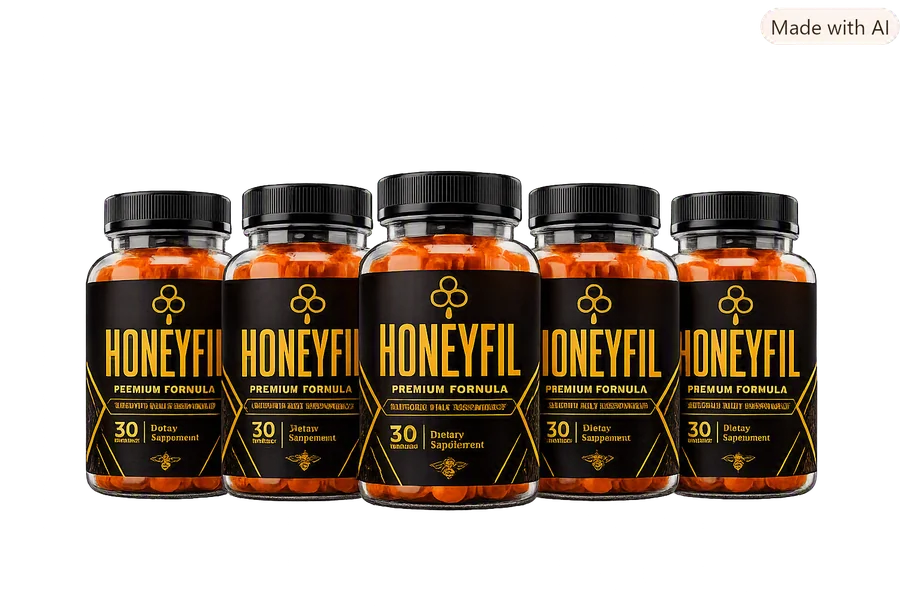
Applying this to HoneyFil
Testofen® is one of two trademarked, standardised extracts in HoneyFil's formula, alongside KSM-66® ashwagandha. Both represent more specific, checkable ingredient claims than an unbranded generic listing, even without a disclosed milligram amount.